

Sourdough Tortillas
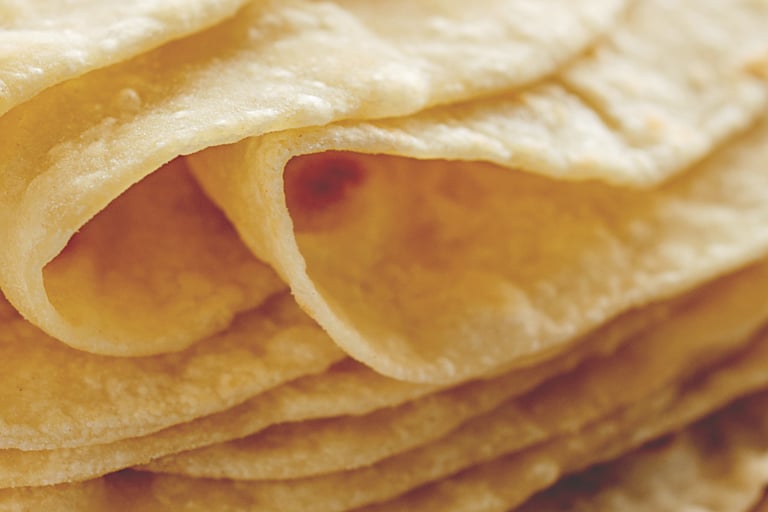
Sourdough tortillas are soft, flexible, and full of naturally developed flavor thanks to slow fermentation. Made with simple ingredients and active sourdough starter, they have a lightly tangy taste that pairs beautifully with both savory and sweet fillings. The fermentation process adds depth, improves texture, and makes these tortillas tender yet sturdy—perfect for tacos, wraps, quesadillas, or enjoying warm straight off the skillet.
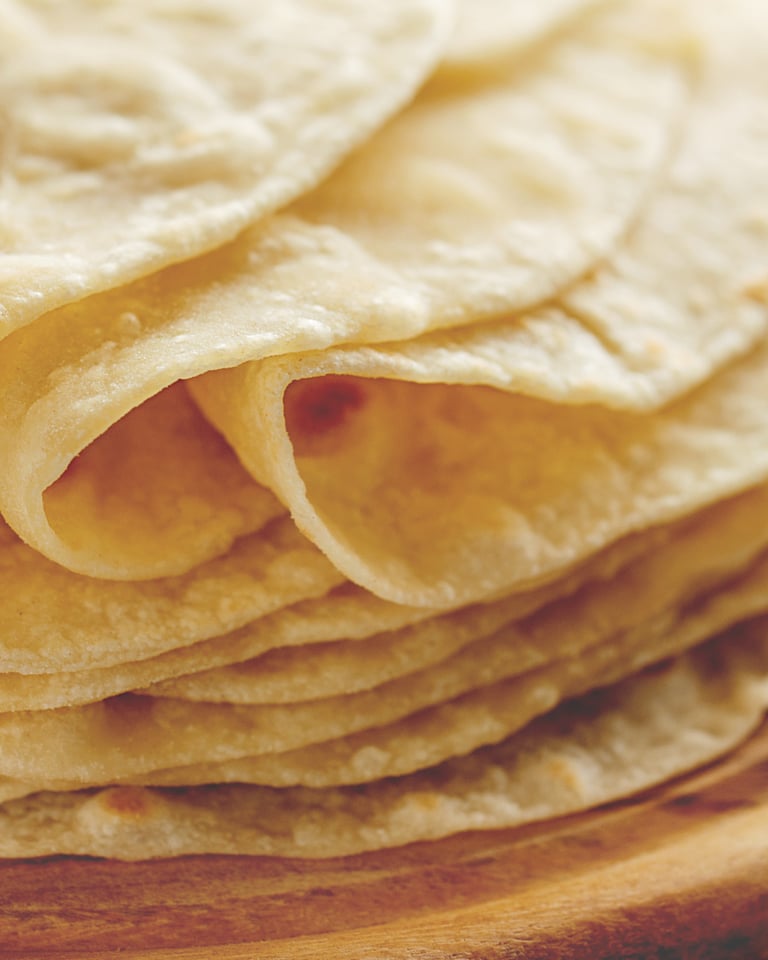
Fun Facts:
Sourdough tortillas get their mild tang from natural fermentation, not vinegar or additives.
The fermentation process helps break down gluten and phytic acid, making tortillas easier to digest.
Sourdough tortillas were traditionally made to avoid waste, using leftover starter instead of throwing it away.
They stay softer longer than regular tortillas thanks to the natural acids in sourdough.
Their subtle flavor works for both savory tacos and sweet fillings like honey or fruit.
Why We Love This Recipe
Simple, minimal ingredients – With just milk, flour, olive oil, salt, and sourdough starter, you get maximum flavor without complicated steps. Sourdough flavor without long wait – Even a small amount of starter adds depth, tang, and complexity, giving you that classic sourdough taste without days of fermentation. Soft, tender texture – Olive oil and milk work together to create a dough that’s easy to handle and produces tender results. Eco-friendly use of starter – Perfect for using fed or discard starter, reducing waste while making something delicious. Kid- and beginner-friendly – Minimal steps, forgiving fermentation, and easy storage make it a stress-free recipe for any level of baker. Freezable and make-ahead friendly – Prepare in advance or freeze baked goods, making meal prep and weeknight dinners a breeze.
Recipe Ingredients
Milk
Milk adds richness, tenderness, and moisture to the dough. Warming it slightly (not hot!) helps activate the sourdough starter and creates a better rise. Whole milk gives the softest texture and best flavor. 2% milk works well but yields a slightly lighter crumb. Make sure the milk is warm, not hot — temperatures above 110°F can weaken or kill the wild yeast in your starter.
Extra Virgin Olive Oil
Olive oil brings moisture, softness, and subtle flavor. It also keeps the final product tender and prevents it from drying out too quickly. Extra virgin olive oil adds a light fruity note. You can substitute with avocado oil or melted butter for a different flavor profile. The fat coats gluten strands, resulting in a softer texture.
Sourdough Starter
This is the heart of the recipe. Your starter provides natural leavening and that signature sourdough depth of flavor. Fed starter will give more rise and a lighter texture. Discard adds flavor but produces less lift — ideal if the recipe doesn’t rely heavily on fermentation for structure. Even a small amount contributes complex flavor and better digestibility due to fermentation.
Salt
Salt strengthens gluten, balances flavor, and controls fermentation speed. Without it, baked goods taste flat. Fine sea salt dissolves best. Avoid reducing too much — it affects both structure and flavor.
All-Purpose Flour
All-purpose flour provides the structure of the dough. Its moderate protein content (about 10–12%) creates enough gluten for elasticity while keeping the texture tender. Spoon and level for accurate measuring. If the dough feels sticky, allow it to rest before adding extra flour — sourdough hydrates over time. Bread flour can be substituted for slightly more chew.
Storage & Preservation
Fresh Dough
Refrigeration: Place the dough in an airtight container and refrigerate for up to 24–48 hours. Cold fermentation slows yeast activity, developing flavor and making it easier to handle.
Freezing: Shape the dough into individual portions, wrap tightly in plastic, and place in a freezer-safe bag for up to 1 month. Thaw in the fridge overnight before baking.
Baked
Room Temperature: Store in an airtight container or zip-top bag for 2–3 days. Keep away from direct sunlight to prevent drying out.
Refrigeration: Not recommended for long-term storage, as bread can dry out or become slightly rubbery. Use only if your kitchen is very humid.
Freezing: Wrap baked goods tightly in plastic wrap and then foil. Freeze for up to 2 months.
FAQ
Can I use whole wheat or other flours instead of all-purpose?
Yes! Whole wheat, spelt, or a mix can work, but they absorb more water. You may need to slightly increase the liquid and expect a denser texture. For best results, keep at least 50% all-purpose flour for structure and softness.
Can I use discard sourdough instead of a fed starter?
Absolutely. Using discard gives flavor but less rise. If you want extra lift, let the dough rest longer or use a bit more starter.
Why is my dough sticky?
Sticky dough is often a sign of proper hydration. Resist the urge to add too much flour at once — sourdough dough relaxes as it rests. If it’s unmanageably sticky, a brief rest (10–15 min) can make it easier to handle.
Can I make this recipe dairy-free?
Yes. Replace milk with plant-based alternatives like oat, almond, or soy milk. Use neutral oils if you want a milder taste. Keep in mind that flavor and browning may slightly differ.
How long does it need to rest before baking?
After mixing, a 4-12 hour fermentation at room temperature is recommended. This allows the sourdough to activate and develop flavor. You can also refrigerate for a longer, slow fermentation to deepen taste.
Can I freeze the dough or baked product?
Dough: Freeze up to 1 month; thaw in the fridge overnight. Baked product: Freeze slices for up to 2 months; reheat in the oven to restore freshness.
Why does my baked product sometimes taste too sour?
Over-fermentation is the usual culprit. Try shortening the room-temperature rest or using a slightly smaller amount of starter to balance flavor.
Can I add herbs, cheese, or other flavors?
Yes! Add-ins like rosemary, garlic, parmesan, or sun-dried tomatoes work well. Mix them gently after the initial dough formation to avoid overworking the gluten.
Nutrition Info (per serving)
Calories 210 kcal
Carbohydrates 29g
Protein 5g
Fat 8g
Saturated Fat 1.1g
Fiber 1g
Sugar 3g
Sodium 300mg
Cholesterol 10mg
Calcium 80mg
How to make Sourdough Tortillas:
Step 1: In a large bowl, combine the sourdough starter, flour, olive oil, and salt. Gradually add warm milk until a soft, slightly tacky dough forms.
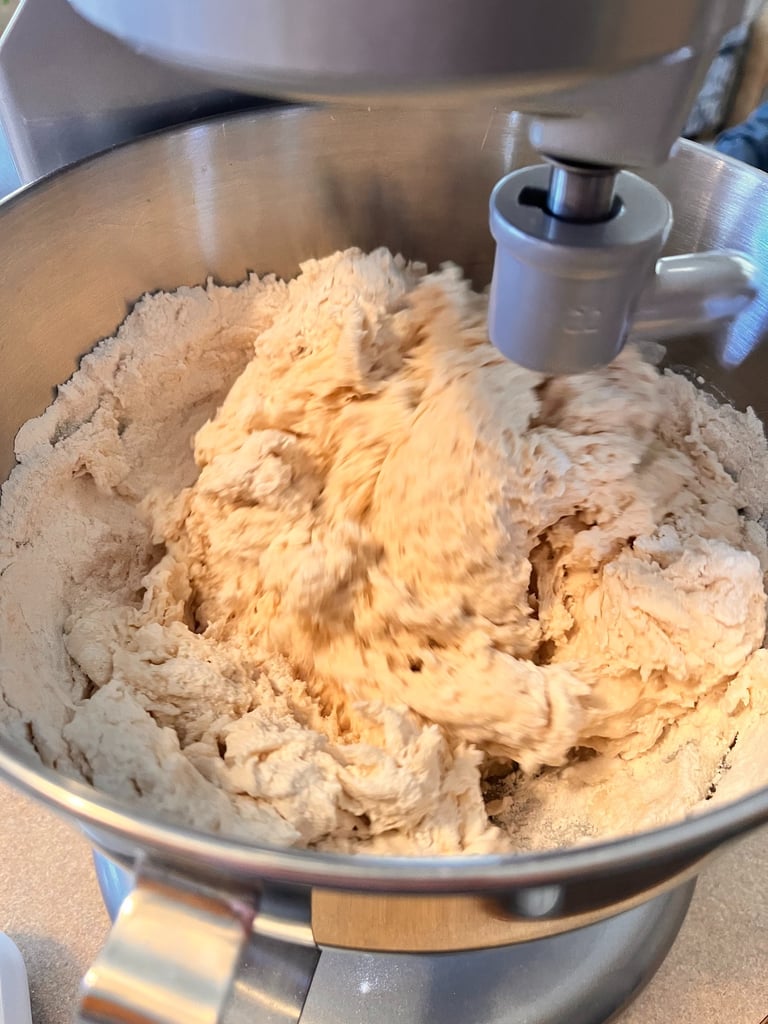
Step 2: Knead by hand for 3–5 minutes until smooth, or mix in a stand mixer with a dough hook for 2–3 minutes.
Step 3: Cover the dough and let it rest at room temperature for at least 30 minutes. For more flavor and digestibility, ferment 2–4 hours. For deeper sourdough flavor, refrigerate overnight
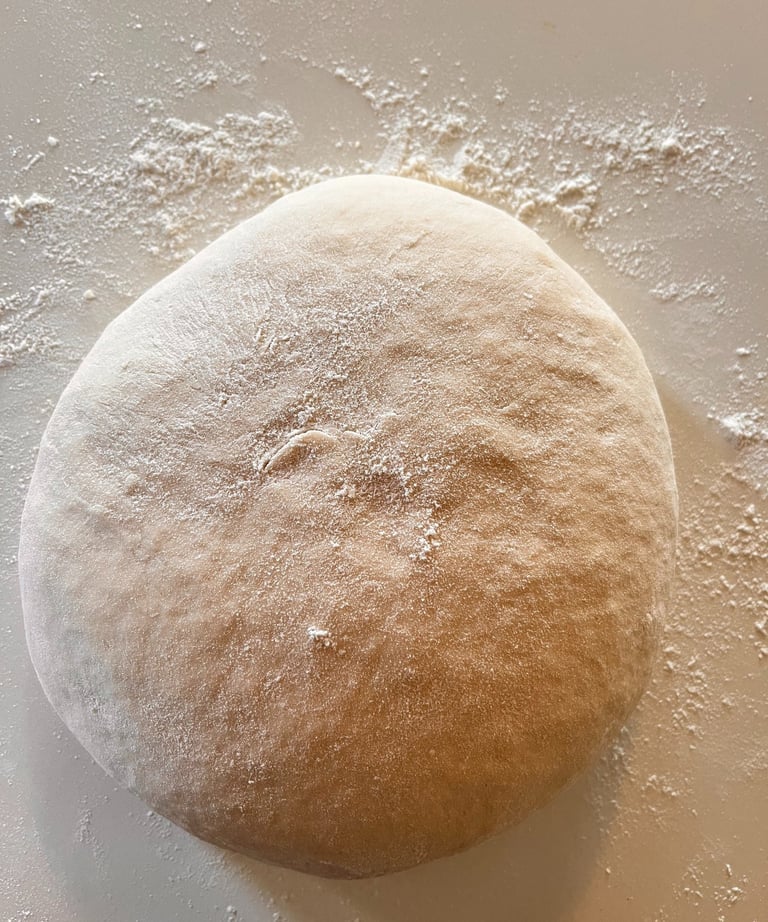
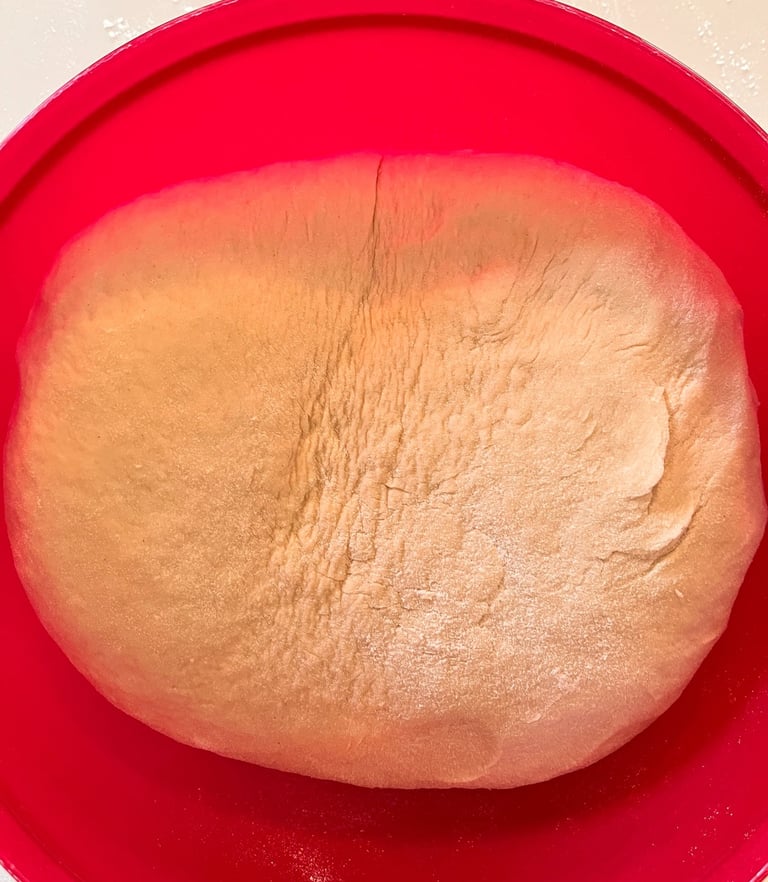
Step 4: Divide dough equal balls (50 grams each, a food scale makes this process easier). Cover and rest another 10–15 minutes to relax the gluten.
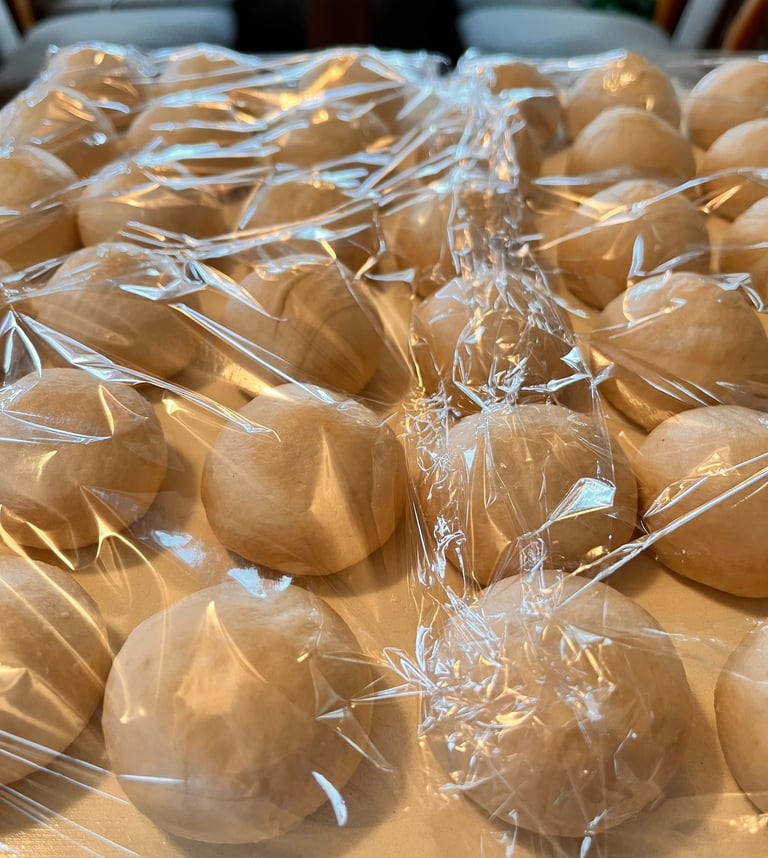
Step 5: On a lightly floured surface, roll each ball into a thin 7–8 inch circle. Or you can also use an electric tortilla maker.
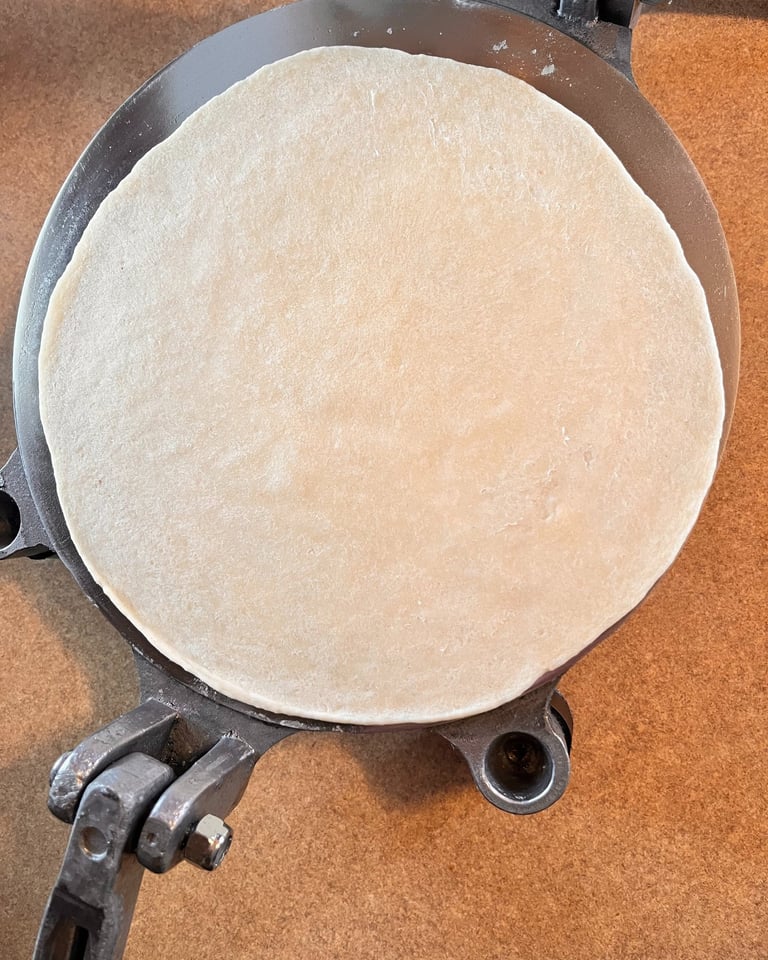
Step 6: Heat a dry skillet or cast-iron pan over medium-high heat. Cook each tortilla for 30–60 seconds per side, until bubbles form and light brown spots appear.
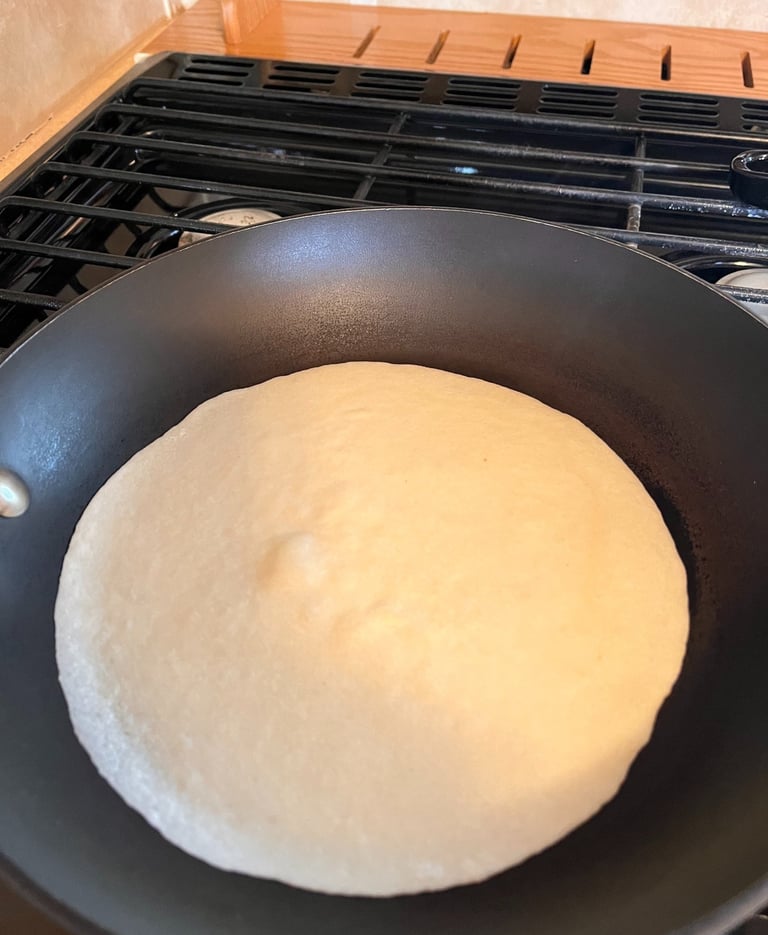
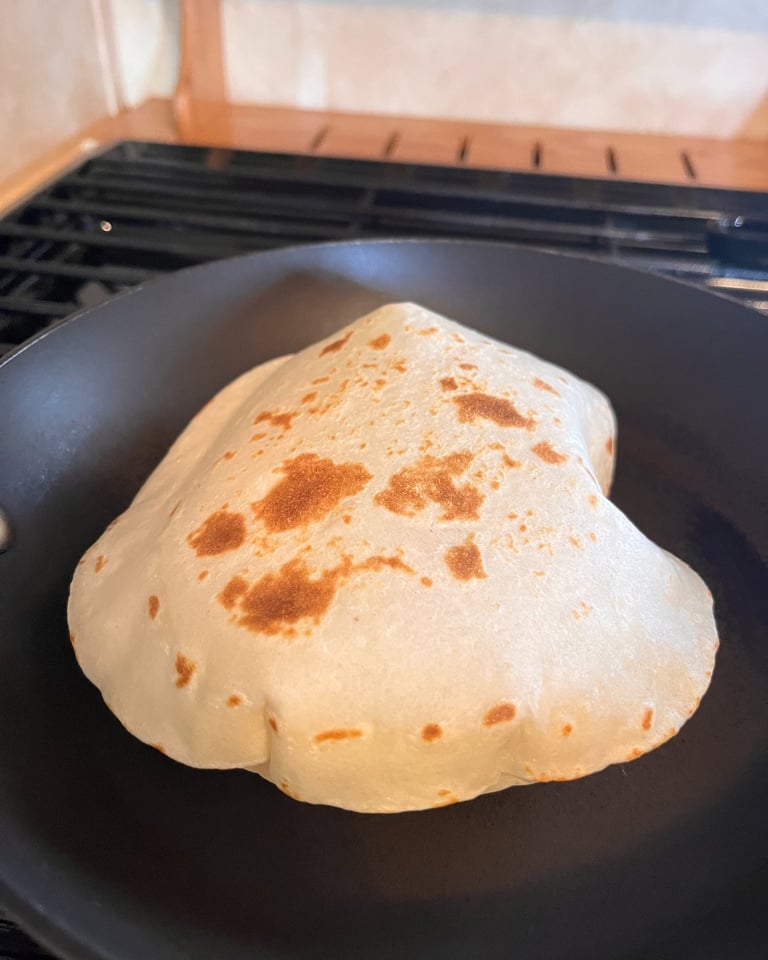
Step 7: Stack cooked tortillas in a clean towel to keep warm. Serve immediately or let cool before storing.
Sourdough Tortillas
Homemade
Ingredients:
1 cup milk 75–90°F (24–32°C)
1/8 cup extra virgin olive oil
1/4 cup sourdough starter (fed or discard)
1 teaspoon salt
1 1/3 cup all-purpose flour
Instructions:
Mix the dough. In a large bowl, combine the sourdough starter, warm milk, olive oil, and salt. Gradually add the flour until a soft, slightly tacky dough forms.
Knead by hand for 3–5 minutes until smooth, or mix in a stand mixer with a dough hook for 2–3 minutes.
Cover the dough and let it rest at room temperature for at least 30 minutes. For more flavor and digestibility, ferment 2–4 hours. For deeper sourdough flavor, refrigerate overnight.
Divide dough into equal balls (50 grams each). Cover and rest another 10–15 minutes to relax the gluten.
On a lightly floured surface, roll each ball into a thin 7–8 inch circle. Or you can also use an electric tortilla maker.
Heat a dry skillet or cast-iron pan over medium-high heat. Cook each tortilla for 30–60 seconds per side, until bubbles form and light brown spots appear.
Stack cooked tortillas in a clean towel to keep warm. Serve immediately or let cool before storing.
You might also like